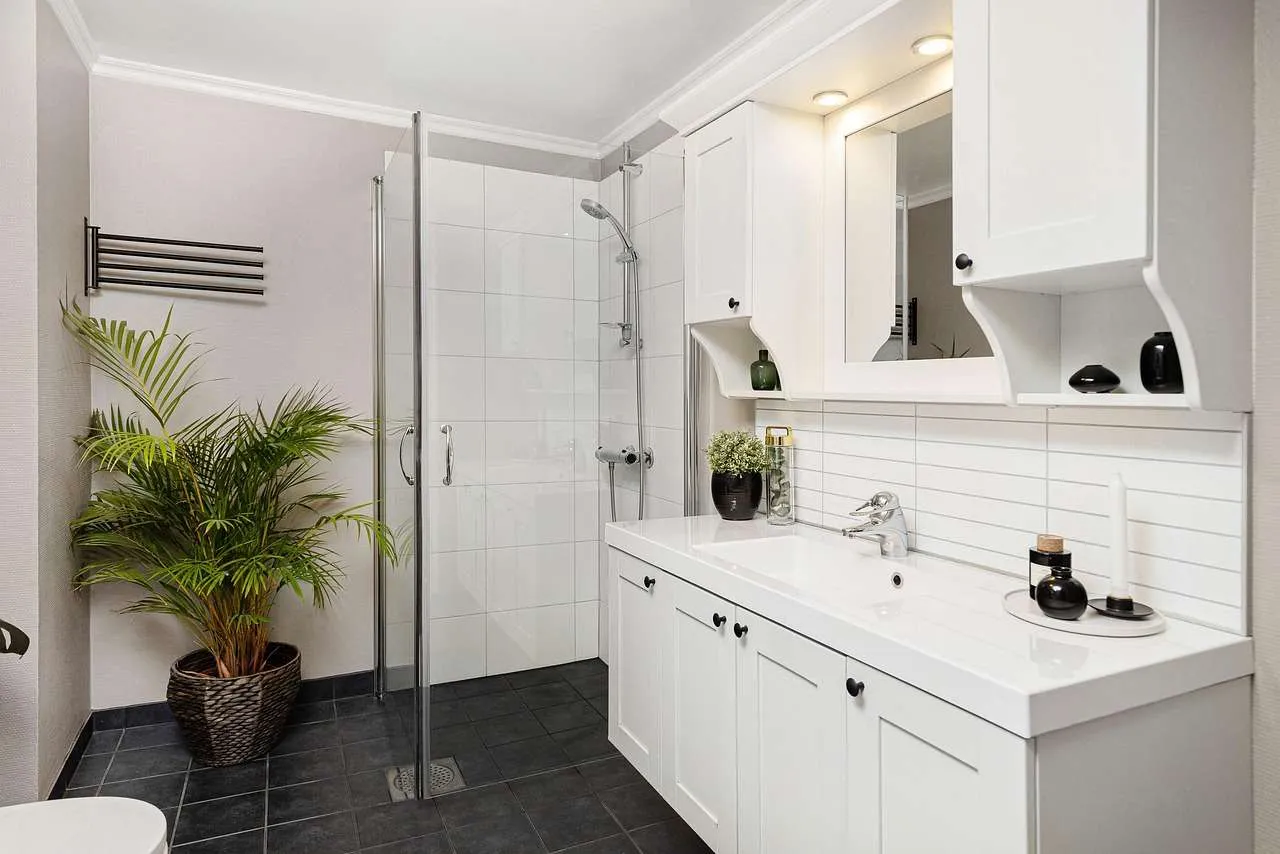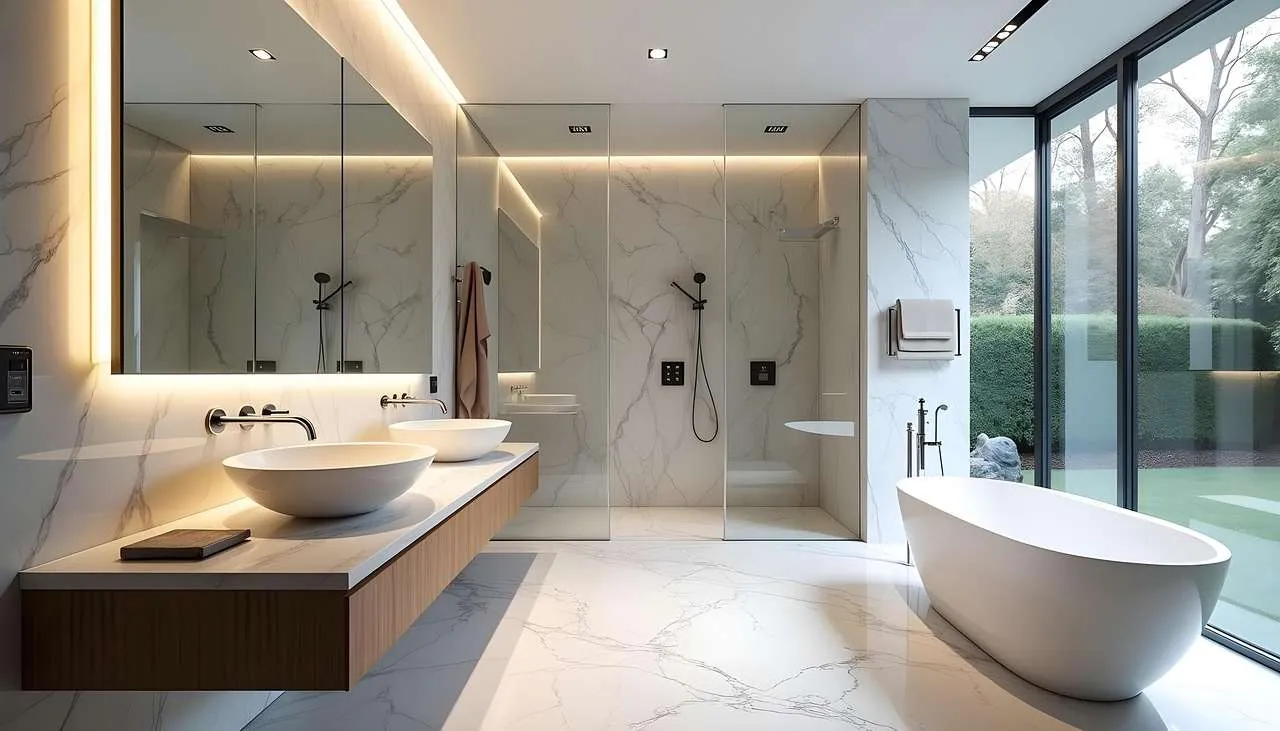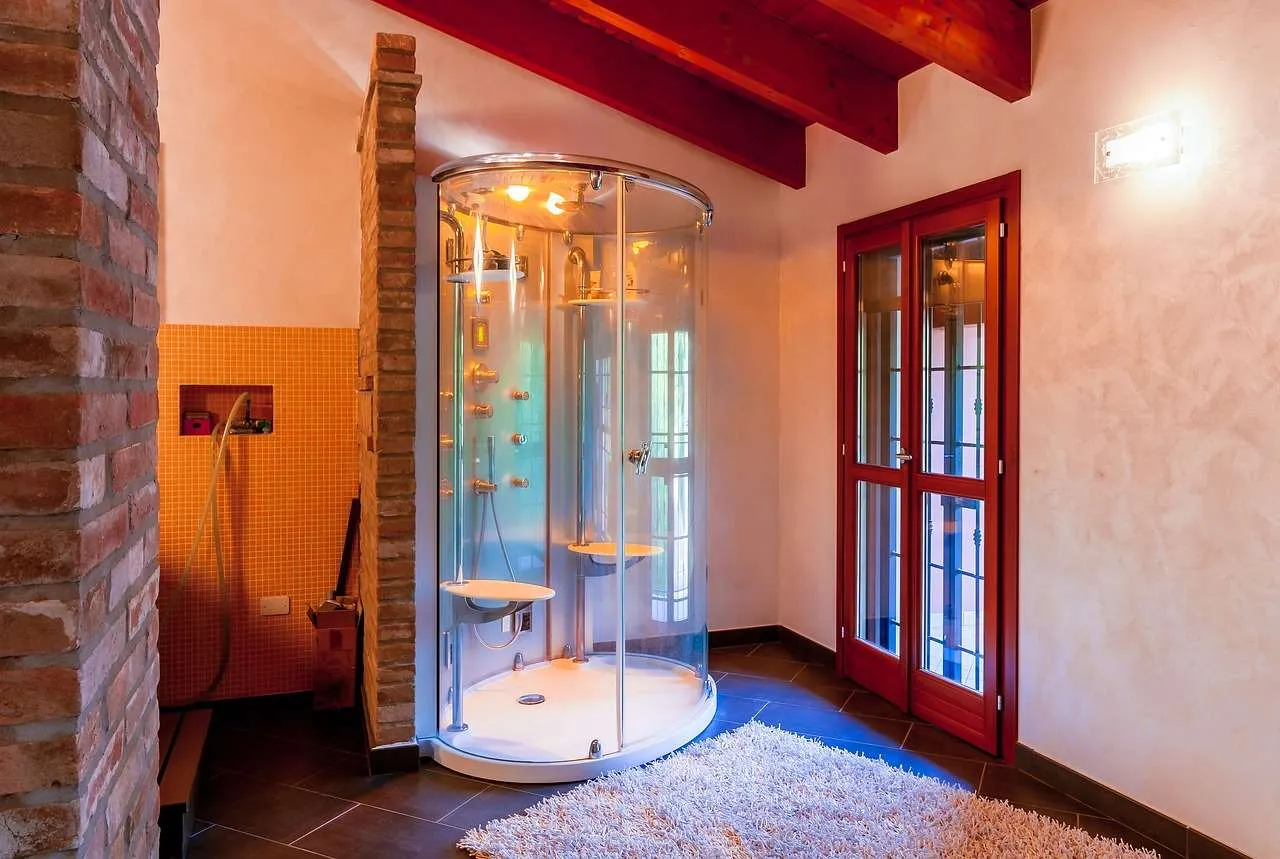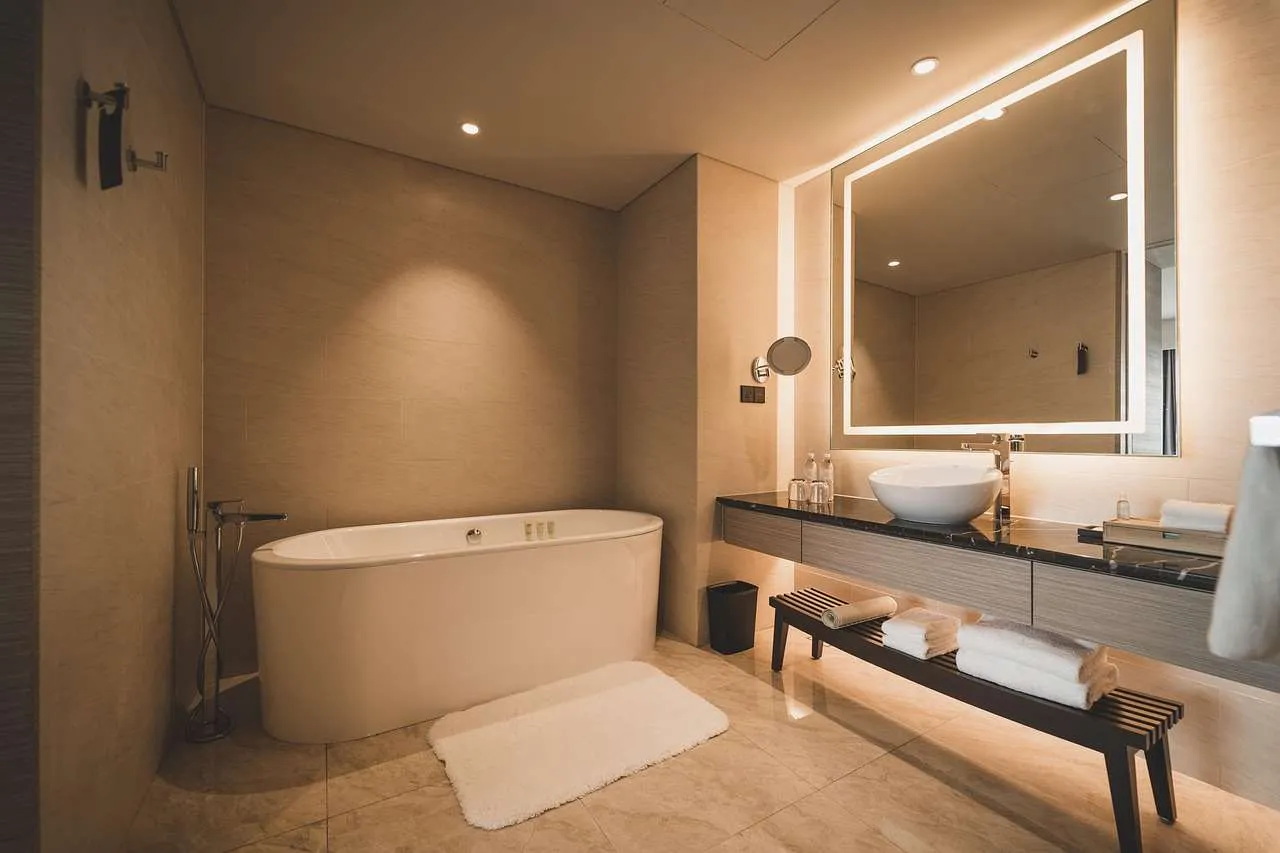
Choosing the right bathroom tile sets the foundation for durability, moisture control, and style in a high-traffic area.
Why bathroom tile matters
Bathrooms present constant moisture, temperature changes, and heavy foot traffic. Quality tiles, proper underlayment, and reliable grout sealant protect walls and floors while delivering long-lasting beauty. In this guide, a seasoned designer and installer share practical steps to help you select and install bathroom tile with confidence.
Common bathroom tile materials
Ceramic tiles
Ceramic is typically a glazed, affordable option that works well for walls and splash zones. They’re lighter, easier to cut, and come in a wide range of patterns. For floor use in wet areas, choose a rated tile with slip resistance and proper installation to prevent cracking.
Porcelain tiles
Porcelain is a denser, less porous alternative that offers excellent water resistance and durability. It’s ideal for floors and showers in busy homes, and it comes in many looks—from porcelain stone to modern concrete finishes.
Natural stone
Marble, travertine, and slate bring natural variation and luxury, but they require sealing and ongoing maintenance. They’re more susceptible to staining and etching, so select honed finishes and plan for periodic resealing.
Glass and mosaic tiles
Glass tiles reflect light and create the impression of more space. They pair well with neutral palettes but can be slippery when wet if used on floors. When used on walls, ensure proper backing and grout sealing for longevity.
Design and layout considerations
Tile size, shape, and layout influence how a bathroom reads. Large format tiles reduce grout lines and can feel more expansive, while small mosaics offer slip resistance and visual texture. Rectified edges enable tighter grout joints for a seamless look. Select grout color that complements both tile shade and the overall style.
Durability, maintenance, and care
Maintenance is influenced by material choice. Porcelain and ceramic tiles are generally low maintenance, while natural stone requires sealing and more frequent cleaning of grout lines. Use non acidic cleaners and wipe spills promptly to prevent staining. For showers, ensure proper waterproofing with a solid substrate and a reliable sealant system.
Installation tips and budgeting
Consider hiring a qualified installer for bathrooms, especially where water exposure is high. Key steps include preparing a solid substrate, using a cement board or waterproof backer, applying quality thinset, and setting tiles with appropriate suction and spacing. Budget for labor, underlayment, waterproofing, grout, and sealant. Don’t forget to plan for maintenance products specific to your tile choice.
| Tile Material | Water Absorption | Durability | Typical Cost (per sq ft) | Maintenance |
|---|---|---|---|---|
| Ceramic | Low to Moderate | Good | $1 - $5 | Low to moderate; seal not required on most glazes |
| Porcelain | Low | Excellent | $3 - $12 | Low; grout sealing recommended in damp areas |
| Natural Stone | Moderate to High | Varies (with sealing) | $5 - $20 | Requires sealing and periodic maintenance |
| Glass | Low | Good | $6 - $15 | Stain resistant but can show soap scum; sealant not always required |
Choosing the right tile for your space
Consider moisture exposure, foot traffic, slip risk, and your design language. If you share your space with children or pets, prioritize slip resistance and easy cleaning. For a high end look, combine a durable large format porcelain with a contrasting grout line or a natural stone accent, but seal stone and ensure compatible sealing schedules for all materials.
Maintenance and cleaning routines
Adopt a simple routine: wipe daily, mop weekly with a pH neutral cleaner, and reseal stone or grout as recommended by the manufacturer. Avoid harsh acids or bleach on natural stone and colored grout, which can cause damage over time. A well maintained tile bathroom keeps its value and beauty for years.
In all cases, proper surface preparation, reliable waterproofing, and quality installation are the pillars of a successful bathroom tile project. Choosing the right tile, layout, and maintenance plan will yield a space that remains both functional and beautiful.
Summary: By selecting the right bathroom tile materials, paying attention to moisture control, and planning for maintenance and professional installation, you can achieve a durable, stylish bathroom that stands up to daily use while retaining its value and appeal.