Creating a well-balanced bathroom decor blends aesthetics with everyday practicality. In this guide, you'll find ideas on color palettes, materials, lighting, storage, and accessories that help you build a space that's calm, functional, and enduring. The advice comes from design experience and a focus on quality, so you can invest wisely and avoid quick fads.
Key elements of bathroom decor
Color schemes
Color sets the mood. In bathrooms, soft neutrals create serenity; bold accents add personality. Consider a base palette of whites, creams, or cool grays and introduce color through towels, art, or cabinetry hardware. If your walls are tile-heavy, choose larger swatches for a cohesive look.
Materials and finishes
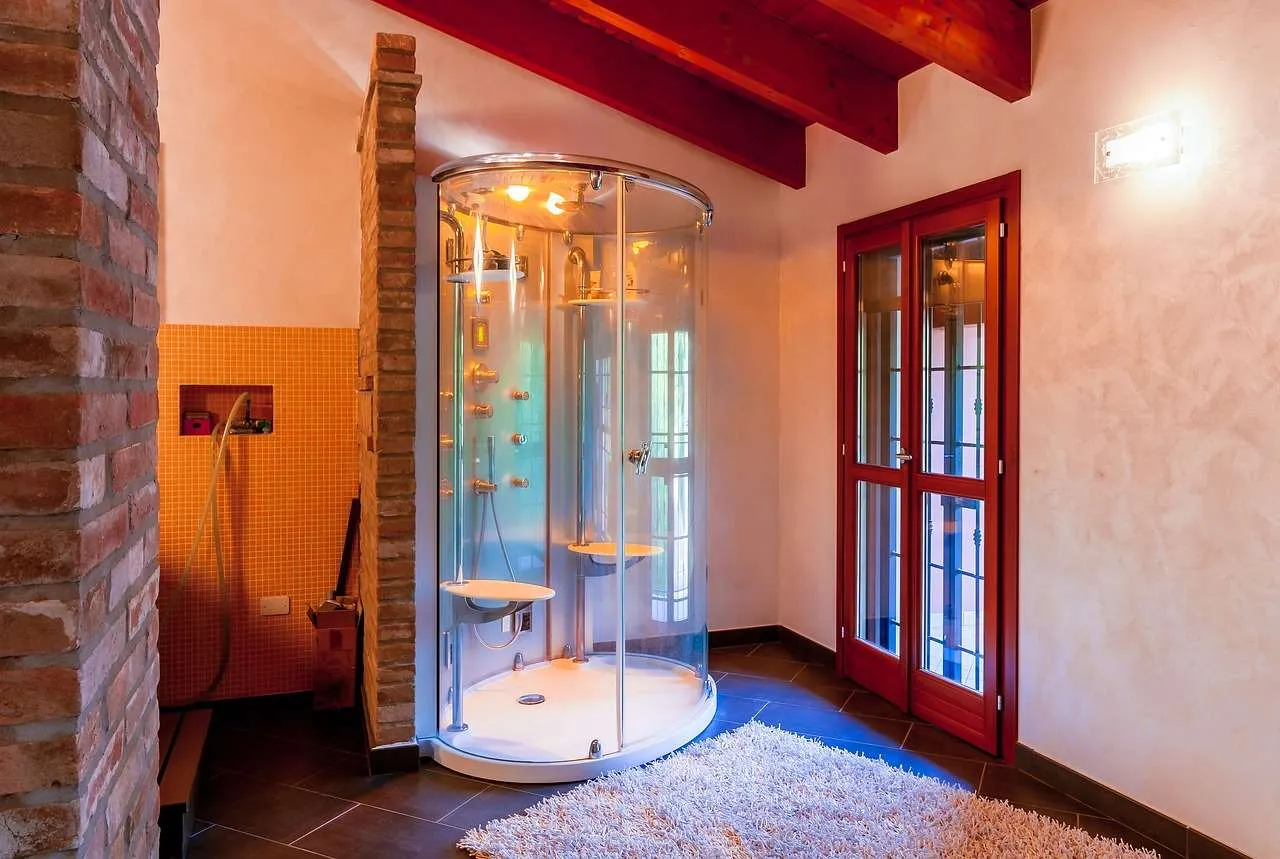
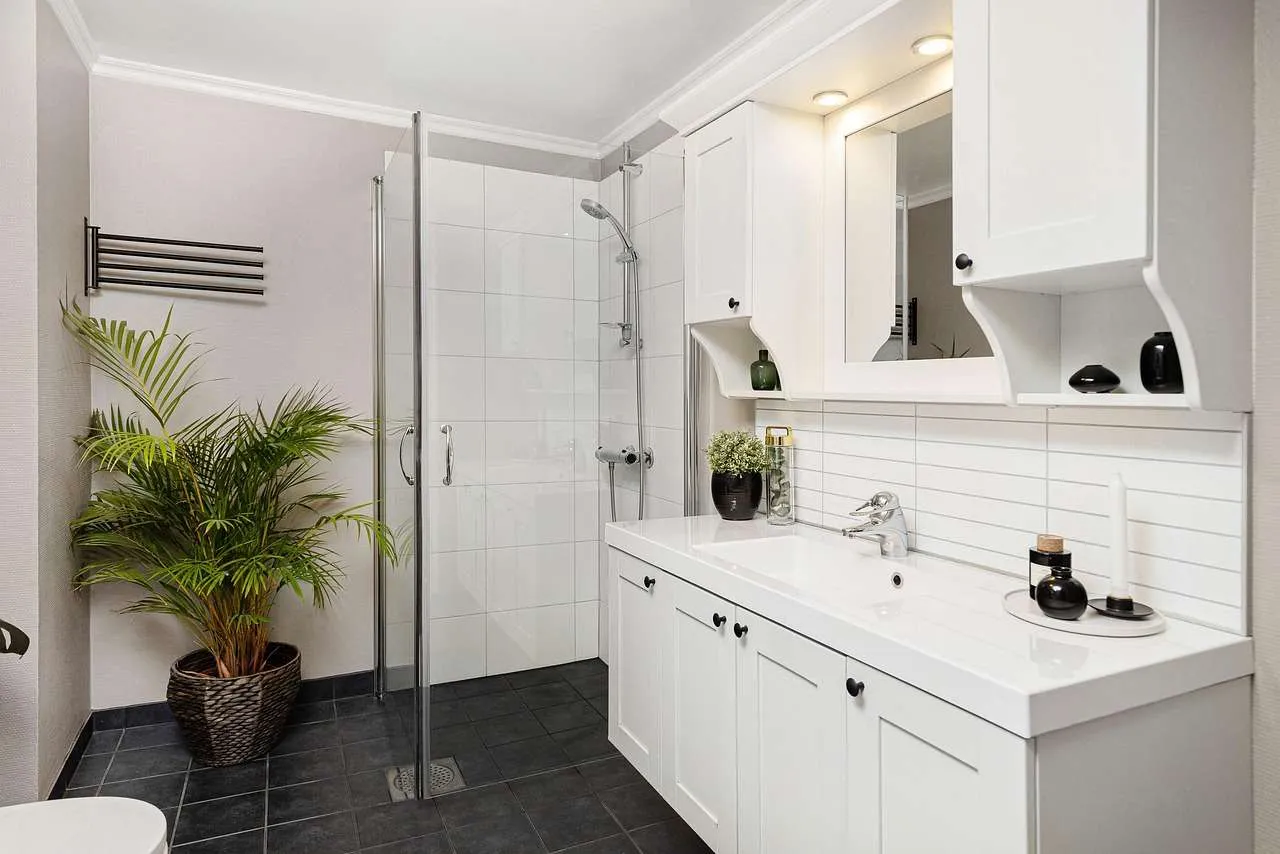
Durable, moisture-resistant materials matter. Porcelain or ceramic tiles, quartz or solid-surface countertops, and corrosion-resistant fixtures extend longevity. Matte finishes hide water spots, while glossy surfaces reflect light to brighten the room. Mix textures to add depth—matte vanities, glass shower enclosures, and stone-look porcelain tiles work well.
Lighting
A layered lighting approach improves both function and mood. Combine task lighting around mirrors with ambient ceiling lights and a dimmable option. Consider vertical sconces to reduce shadows on faces, and use daylight-mimicking bulbs to support a natural feel.
Storage and organization
Vanity storage, wall-mounted cabinetry, and built-in niches keep essentials tidy. Closed storage reduces visual clutter, while open baskets can hold frequently used items. Plan for accessibility in shared bathrooms and include anti-slip mats.
Accessories and finish touches
Thoughtful decor elevates the space. Play with artwork, fragrance, plants, and cohesive hardware finishes (brushed nickel, matte black). Ensure anchors are rated for moisture exposure and avoid over-accessorizing to preserve a calm ambiance.
Trends vs timeless design
Balancing trends with timeless elements is key for lasting value. This comparison helps you select ideas that age well.
| Style | Typical Colors | Materials | Pros | Cons |
|---|---|---|---|---|
| Minimalist Modern | White, gray, black | Quartz, glass, porcelain | Clean, easy to maintain | Can feel cold if overdone |
| Classic Traditional | Ivory, beige, navy | Ceramic, natural stone, wood accents | Timeless, versatile | Can be costly to reproduce authentically |
| Coastal | Seafoam, sand, blue | Ceramic, weathered wood, rattan | Relaxed, bright | Light colors show wear more quickly |
| Industrial | Charcoal, concrete, brass | Concrete, metal, glass | Hard-working look, durable | Can feel stark without warmth |
Practical design tips for various spaces
Small bathrooms
Maximize space with wall-hung vanities, reflective surfaces, and oversized mirrors. Use light colors to create the illusion of space and install frameless glass for a seamless, open feel. Floating shelves add storage without crowding the floor.
Budget-friendly upgrades
Fresh paint, updated hardware, and new towels can dramatically change the look. Swap out a dated vanity light, add a peel-and-stick backsplash, or install vinyl flooring that mimics stone or wood. These steps deliver high impact at modest cost.
Maintenance and longevity
Choose finish types rated for humidity, seal grout lines regularly, and clean with products appropriate for your materials. Routine care preserves color, shine, and structural integrity, ensuring your bathroom decor remains fresh for years.
Conclusion, a thoughtful plan for color, materials, lighting, and storage yields a cohesive bathroom decor that blends style with practicality. Start with a calm base palette, layer textures, and choose durable fixtures for lasting appeal.