Small bathrooms pose challenges, but with the right strategy you can expand perceived space and function. This guide leverages over a decade of professional experience to share practical, design-savvy ideas for small bathroom ideas that work in real homes. You will find layout tips, storage tricks, lighting and color choices, and maintenance guidelines that protect performance and style.
Smart Layouts for Small Bathrooms
Choose compact fixtures
Install a wall-hung toilet and a pedestal or wall-hung sink to create open floor space and easier cleaning. For even more floor area, consider a corner sink or a rounded basin with slim profile.
Maximize footprint with sliding doors
Replace a traditional door with a pocket or barn-style door to free space for storage or entry and avoid door swing conflicts in tight bathrooms.
Layout tips for comfort
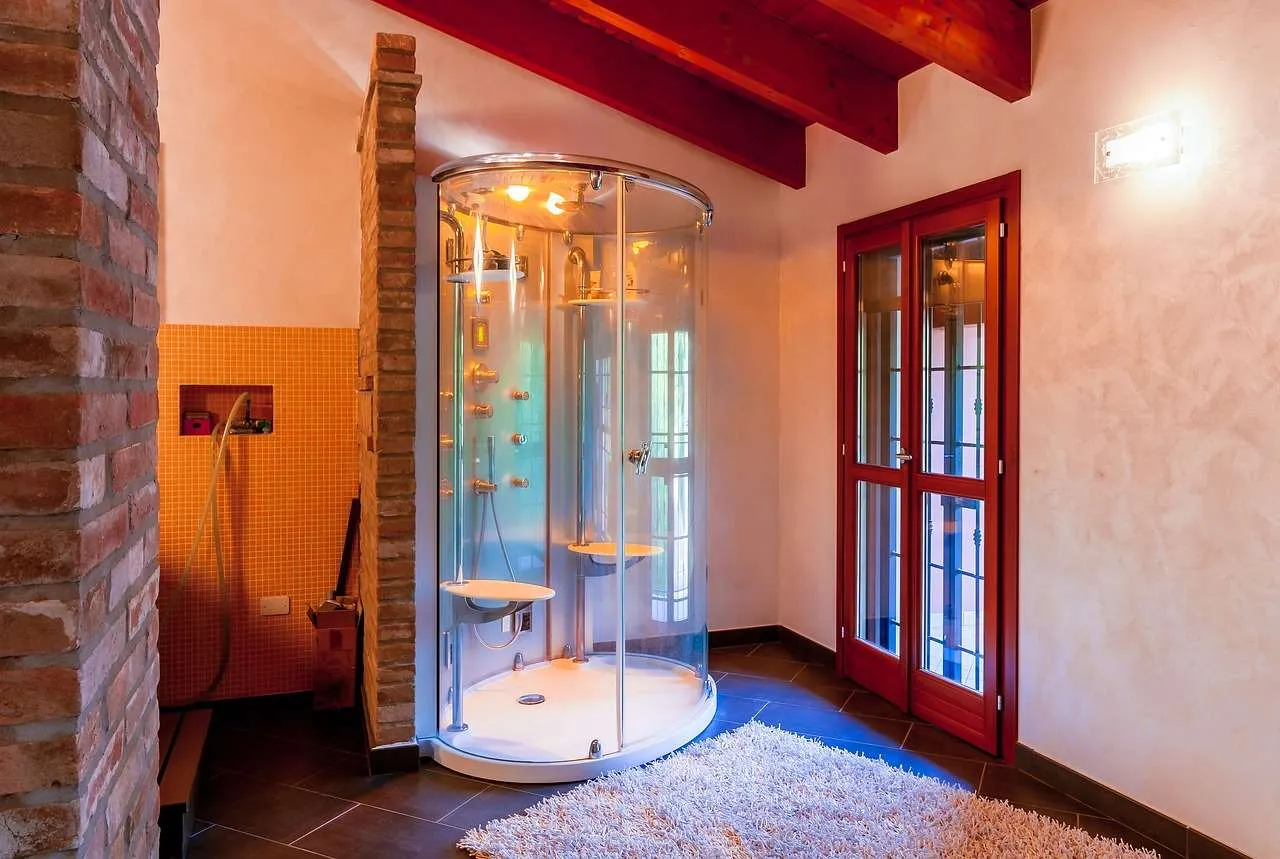
Position the sink away from the shower area, use a rectangular shower with a clear glass panel to avoid visual blocks, and consider a frameless glass shower to keep sightlines open.
Storage Solutions That Save Space
Recessed and vertical storage
In-wall shelves and recessed niches in the shower maximize storage without consuming precious footprint. Use vertical towel racks to keep walls free.
Mirrored and transit storage
A mirrored medicine cabinet hides daily items while reflecting light to add depth. Choose slim medicine cabinets above sinks to keep essential items accessible.
Under-sink and vanity alternatives
A vanity with deep drawers or pull-out organizers keeps items tidy, while open shelving below can store baskets for bulk items.
Lighting and Color to Create Space
Layered lighting
Combine ambient, task, and accent lighting. Recessed ceiling lights plus LED strips under cabinets can brighten the space without glare.
Reflective surfaces
Glossy tiles, a large mirror, and glass shower enclosures reflect light and visually widen the room.
Color psychology for small baths
Light neutrals with cool undertones (whites, soft grays, pale blues) make walls recede, while warm textures add comfort without shrinking the space.
Materials, Fixtures, and Maintenance
Durable, water-resistant materials
Porcelain, ceramic, and high-quality vinyl flooring withstand moisture and wear. Use grout with stain resistance for easy cleaning.
Low-maintenance fixtures
Choose brushed nickel or matte black fixtures that resist fingerprints and water spots. A glass panel for the shower reduces mold-prone seams.
Quick Comparison of Design Approaches
| Feature | Light Scheme | Storage Type | Pros | Cons |
|---|---|---|---|---|
| Overall aesthetic | Bright neutrals | Recessed and vertical | Feels larger, easy to clean | Higher upfront cost for built-ins |
| Shower enclosure | Clear glass | N/A | Visual openness | Requires sealing and maintenance |
| Fixtures | Wall-hung | Under-sink storage | More floor space, airy feel | Installation complexity |
| Finish | Glossy surfaces | Medicine cabinet | Light reflection, functional storage | Shows water spots if not maintained |
Conclusion, small bathroom ideas work best when you prioritize compact fixtures, smart storage, layered lighting, and durable materials. By choosing wall-hung pieces, using recessed storage, and maintaining a light, reflective palette, you can expand perceived space, simplify maintenance, and create a calm, functional bath that still feels personal and stylish.