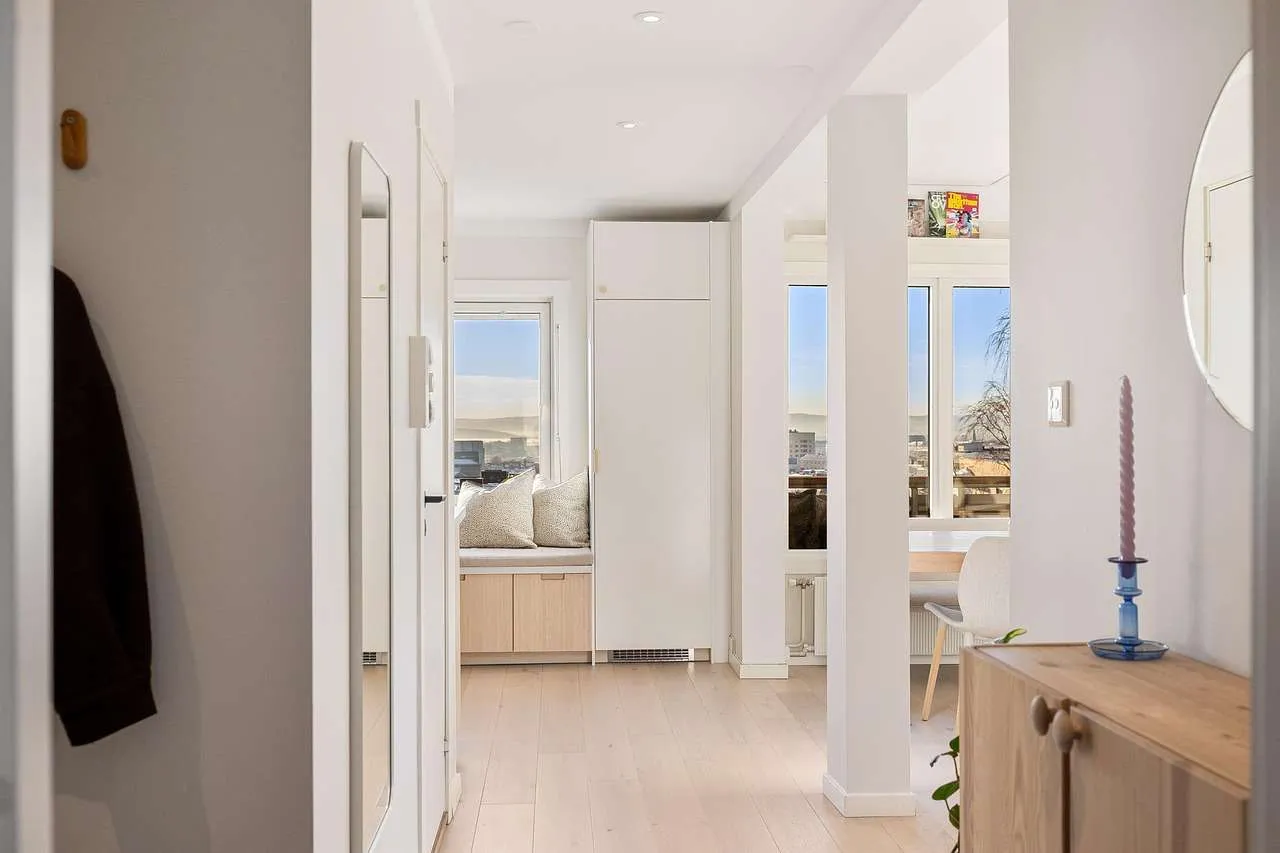
Home window tinting is a practical upgrade for houses seeking energy efficiency, UV protection, and enhanced comfort. By applying a thin film to interior window surfaces, homeowners can reduce heat gain in summer, keep interiors cooler, and protect furnishings from sun damage without sacrificing natural light.
What is Home Window Tinting?
Home window tinting uses a thin polymer film applied to the interior surface of windows to reduce heat transfer, glare, and UV exposure while preserving visibility. Unlike automotive tint, residential films prioritize long-term durability, safety, and low maintenance for large glazing areas. Modern films are designed to improve comfort, protect interiors, and offer a range of aesthetic options.
Benefits of Home Window Tinting
- Energy savings: Sunlight is reflected or absorbed, reducing cooling loads and potentially lowering air conditioning use.
- UV protection: Most window films block up to 99% of harmful ultraviolet rays, slowing furniture and carpet fading while protecting skin.
- Glare reduction: Less screen glare improves comfort for TVs, computers, and reading areas.
- Privacy: Films with lower VLT provide daytime privacy without sacrificing outside visibility, while higher VLT options preserve light.
- Safety and durability: Some films hold shards together if glass breaks, and many offer scratch resistance for long-term performance.
Types of Window Films
Understanding film types helps you balance aesthetics, cost, and performance.
- Dyed films: Affordable with decent heat control; may darken over time and can fade in strong sun.
- Metalized films: Excellent heat rejection and glare control, but may reflect more and can interfere with some electronic signals if overused.
- Ceramic films: High heat rejection, clear view, and non-conductive properties, making them popular for homes with smart devices.
- Low-E/IR films: Advanced energy efficiency, strong heat rejection, and generally maintain more visible light for natural daytime illumination.
| Film Type | VLT Range | Heat Rejection | UV Rejection | Best For |
|---|---|---|---|---|
| Dyed | 35–75% | Moderate | >99% | Budget-friendly rooms with moderate sun |
| Metalized | 20–60% | High | >99% | Bright rooms needing glare control |
| Ceramic | 30–70% | Very High | >99% | Balanced performance, smart-home friendly |
| Low-E/IR | 40–70% | Very High | >99% | Best energy efficiency and natural light |
How to Choose the Right Film
Consider climate, home orientation, and privacy needs. Check local codes for tint limits on windows, if any, especially on street-facing glass. Look for warranties, warranty length, and clarity maintenance. Compare Visible Light Transmission (VLT) and Heat Rejection ratings; choose a film that balances daylight with comfort. For larger panes or multi-pane systems, factor in professional installation to ensure uniform coverage and neat edges.
DIY vs Professional Installation
DIY kits are available, but improper installation can create bubbles, uneven edges, and reduced performance. A professional installer can assess glazing types, edge sealing, and warranty and typically uses higher-grade films with precise cutting and safety standards. For most homes, professional installation provides better results and longer-lasting performance.
Maintenance and Longevity
Maintain film by cleaning with a soft microfiber cloth and a non-ammonia cleaner. Avoid abrasive pads or harsh cleaners that can scratch or degrade the film. Regular inspections help catch edge lifting early, which professionals can reseal. With proper care, high-quality films often last 10–15 years or more, depending on climate and sun exposure.
Cost Considerations and ROI
Costs vary by film type and window size. DIY installation may run roughly 5–15 USD per square foot in materials, while professional installation can range from 8–20 USD per square foot, depending on glass type and local rates. A typical suburban home with 15–25 windows can see 5–15% energy savings annually in hot climates, plus extended furniture life due to UV protection. Factor warranties (10–15 years) and potential tax credits or rebates in some regions when calculating ROI.
Final Thoughts
Conclusion, or quick practical tips: For best results, set clear goals (energy savings, privacy, glare control) and choose a film with verifiable UV rejection and warranty. Hire a licensed installer to ensure clean edges and even shading, and maintain windows regularly to keep the tint looking fresh and effective.
Summary: Investing in home window tinting offers measurable energy savings, UV protection, glare reduction, and enhanced comfort. By understanding film types, evaluating climate and privacy needs, and choosing a qualified installer, homeowners can maximize performance and value over the life of the windows.